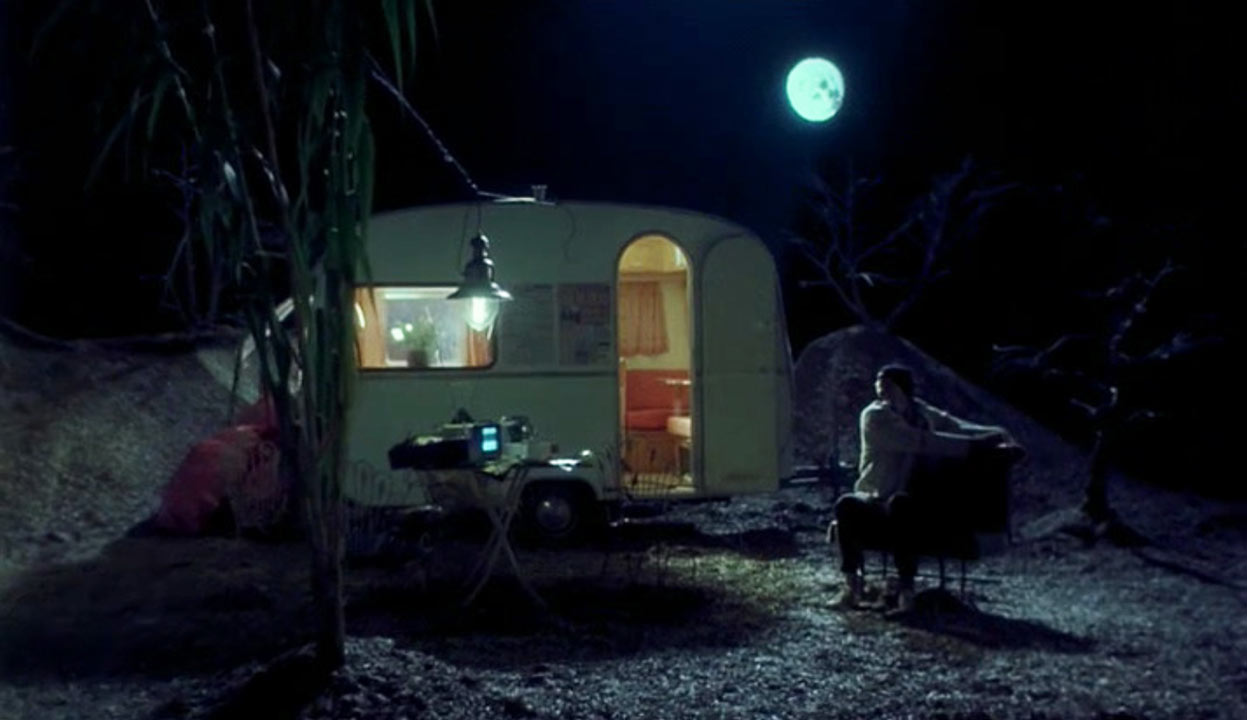
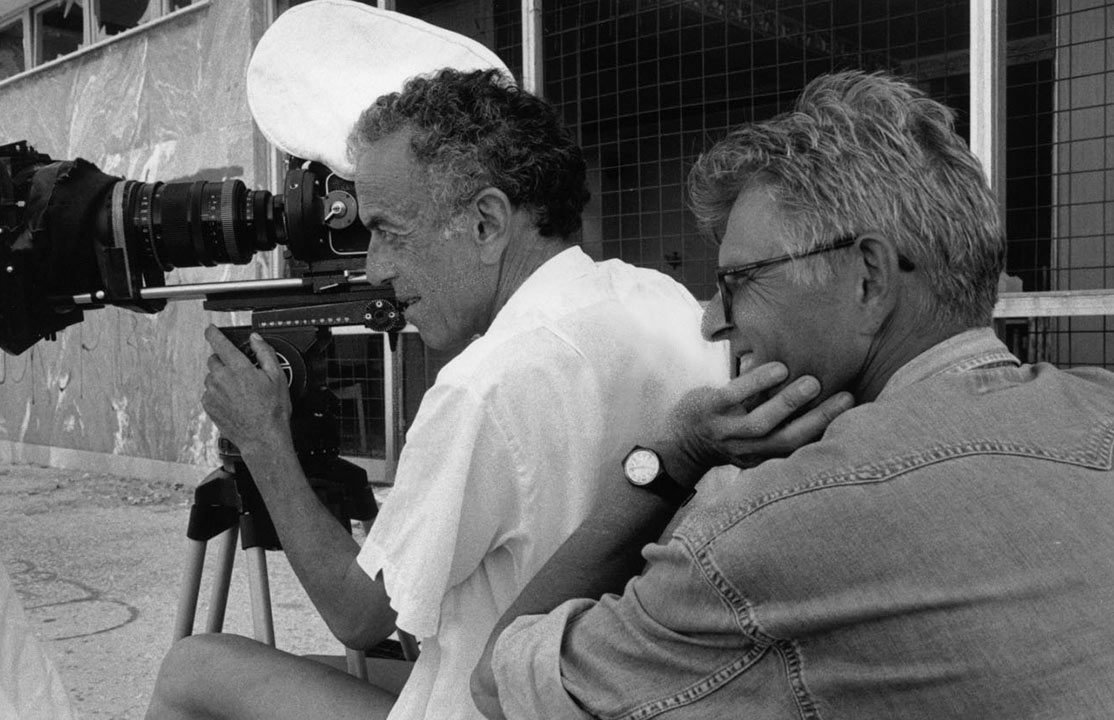
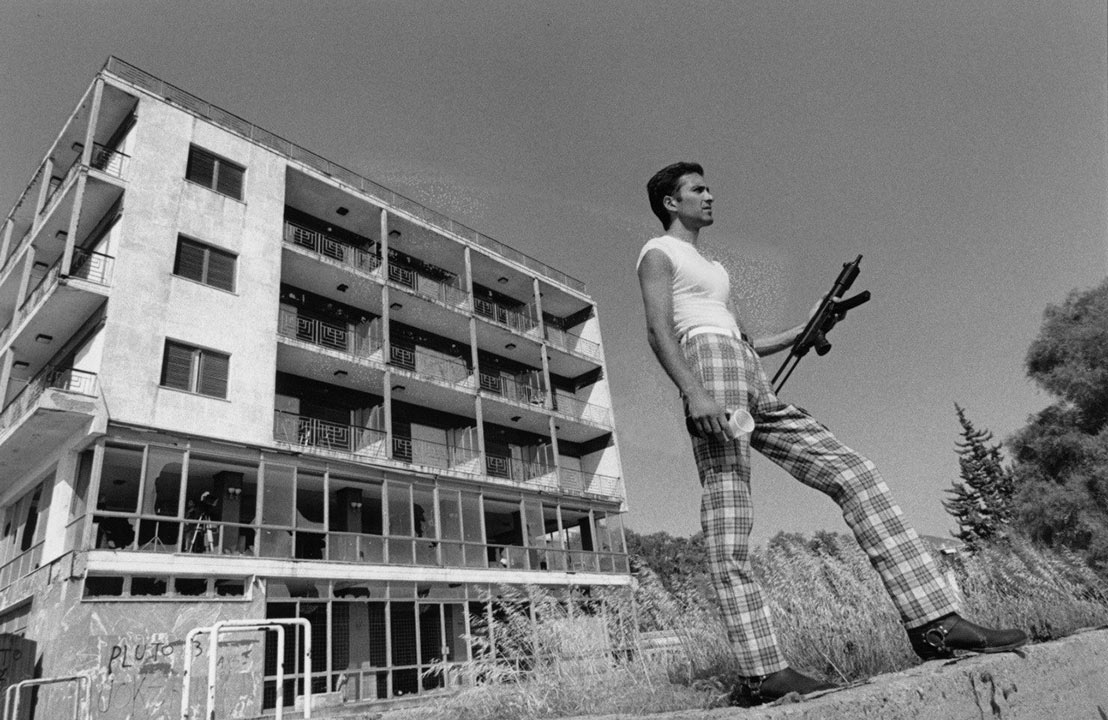
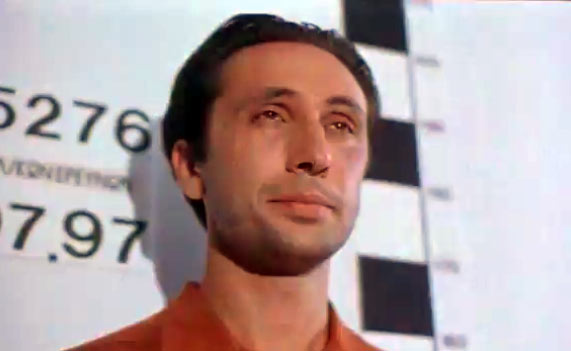
After the moderate reception of "LIVING DANGEROUSLY", I left Greece for the third time and again took up the craft I had learned*, since Greek films, not having any luck at the cinemas went either to festivals or directly to the shelves of video clubs – today we would say 'direct to DVD'. The recession had begun in the second half of the 80s, dropping from an annual average of 22 million tickets to 6 million in the first five years of the 90s. The small but perceptible rise that started in '96 with the appearance of the first cineplex cinemas coincided with the fatigue of my many trips for the productions I worked on, or the frequent ATH-MUC-BER-ATH trip to see my son Kostis who was born in '94. That's why the title of the film was probably inspired by my feelings of guilt.
Experienced in direct comparison with German rationalism, the country of the Greeks – Griechenland – seemed exotic, at least that was the impression I received from the news shows on the many private TV channels and the front pages of the daily papers. The word 'lifestyle' no longer meant one of several possible ways of living but a particular ostentatiously luxurious mode of existence propagandized by a class of nouveau-riche businessmen and professionals including politicians. At the same time I couldn't avoid reading, in the press the "success stories" of people whose audacity existed only because of society's short memory, and the rampant lawlessness that justice tolerated. So I found myself with a theme that would preoccupy me for the next decade, and with the character of Sotiris Mandrakas** who would become the antagonist of my innocent young heroes. The rest was a description of everyday social and political routine, rather than the product of metaphysical insight or prophecy, which some have accused me of, but only to justify their own blunted perceptions. Other “unexpected” events, that occurred after the movies, had been set in motion earlier or were inevitable consequences of what had preceded.
* The Greek proverb says: Learn a craft and leave it, and if you go hungry, retrieve it. (Μάθε τέχνη κι άστηνε, κι αν πεινάσεις πιάστηνε.)
** Mandrakas, or matrakas, is the heavy mallet used by stonecutters. When we were little, mandrakas is what we called a huge dilapidated tank-truck that used to wet down the quarry where we played – in the summer it wet us down as well.

PATERFAMILIAS
ΠΡΟΣΤΑΤΗΣ ΟΙΚΟΓΕΝΕΙΑΣ / PROSTATIS EKOGENIAS
DIRECTED BY:
Nikos Perakis
SCRIPT:
Nikos Perakis